Southern Futures: Tracing the South Through Art and History
by Lauren Wingenroth
This blog is part one of our Southern Futures series. Read part two here and part three here.
Looking at an archive of Carolina Performing Arts projects is like looking at a map to a better understanding of the culture, history, and complexity of the American South.
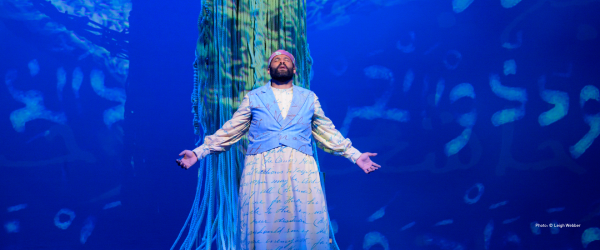
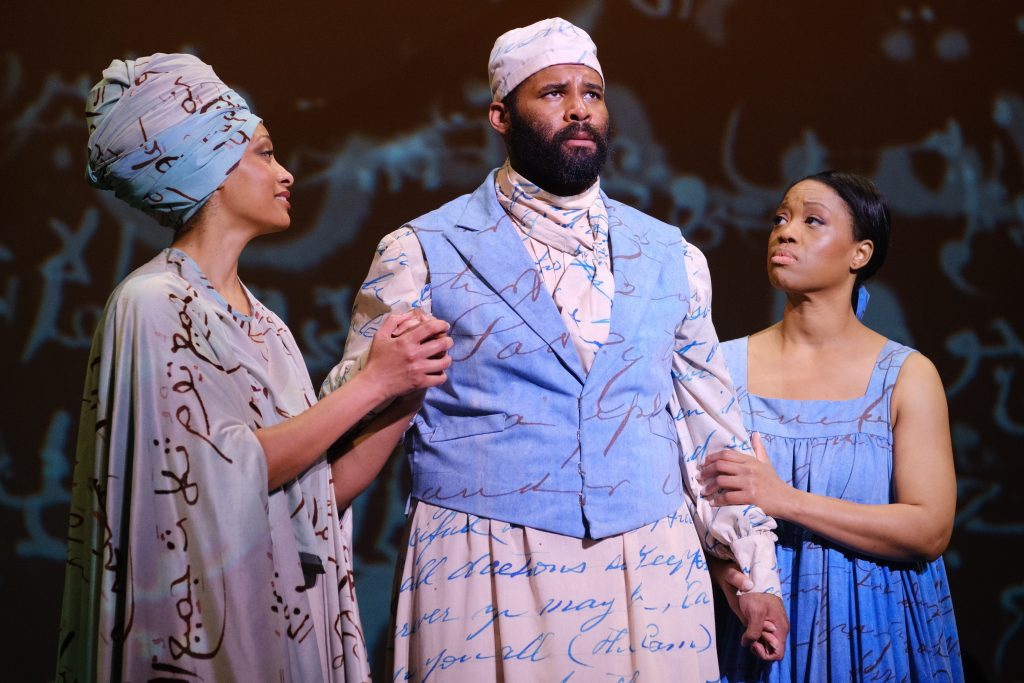
There was Omar, Rhiannon Giddens’ acclaimed opera based on the story of Omar ibn Said, a West African scholar who was enslaved in the Carolinas; and Eclipse, a participatory, site-specific work by local artists from Culture Mill that explored the history of the land on and around campus through somatic practice and restorative justice. In Rimini Protokoll’s 100% The Triangle, 100 local non-actor participants shared their stories and perspectives to illuminate truths about the region we call home. And during a residency for Night Sky with Exit Wounds, collaborators Kaneza Schaal and Bryce Dessner engaged with how themes from their forthcoming opera resonate with the histories and experiences of Southeast Asian communities in North Carolina.

Each of these projects—plus the extensive research, cross-disciplinary collaborations and community engagement surrounding them—reveals something crucial and distinct about the South through artistry, embodiment, and storytelling. Each of them, too, exemplifies the work of Southern Futures, an initiative at Carolina Performing Arts and across UNC to reimagine the South and the stories we tell about it.
Southern Futures was born out of conversations across campus institutions—including CPA, UNC’s Center for the Study of the American South, The College of Arts and Sciences, and the UNC Libraries—about “what it means to be a big public university in the American South,” says CPA’s’ senior director of artistic and production Amy Kolling.
“What is our responsibility, and the possibilities for research and creativity in addressing that?” – Amy Kolling
At CPA, Southern Futures has taken the shape of a sweeping, multi-year residency program, in which artists can research, engage with communities, and make work. Those residencies, and the performances that have emerged from many of them, are documented on the Southern Futures website, which serves as an archive of the questions Southern Futures artists have probed about the South, and the fascinating, imaginative ways they have sought to answer those questions.

Though these residencies have often resulted in performances, having an end product isn’t a requirement. “When we invite someone into an artist residency, we don’t necessarily dictate the outcomes,” says Kolling. “We offer them access to a powerful toolkit, and then we follow their investigations as a partner.” For instance, theater collective Advanced Beginner Group completed a restorative justice training, taught by Culture Mill artists, as part of their multi-year residency. And though Giddens has long been engaging in her own research methodologies, she spent her Southern Futures residency conducting primary source research within the special collections at UNC’s Wilson Library and collaborating with research professionals on campus on her investigations into the South’s socio-racial origins.
Giddens’ residency in particular demonstrates a concept that is key to Southern Futures: the artist as researcher. “Some of the artists we are most inspired by at CPA are consistently working in a research practice, although they don’t necessarily see themselves in that context,” says Kolling.
“But they often launch from a big question and investigate it, they create knowledge in the process, and they communicate it brilliantly to the public in an immediate, live, accessible way. Being a performing arts presenter on a big public research campus, we’re in a unique position to highlight that and share it with people.” – Amy Kolling
Eclipse is another living example of the idea that artistic process is research. Originally presented in 2022 as one of CPA’s very first Southern Futures projects, the piece returns this March, a rare opportunity for CPA audiences to engage with a work for a second time (though Kolling says it’s evolved since the first iteration). Informed by Geeta N. Kapur’s To Drink From the Well: The Struggle for Racial Equality at the Nation’s Oldest Public University, Eclipse “is foundational to Southern Futures,” says Kolling. “It’s about the history of the ground we walk on when we are in the theater. It’s a moment for truth-telling, and reckoning with our past, and making sure that we understand where this all came from.”
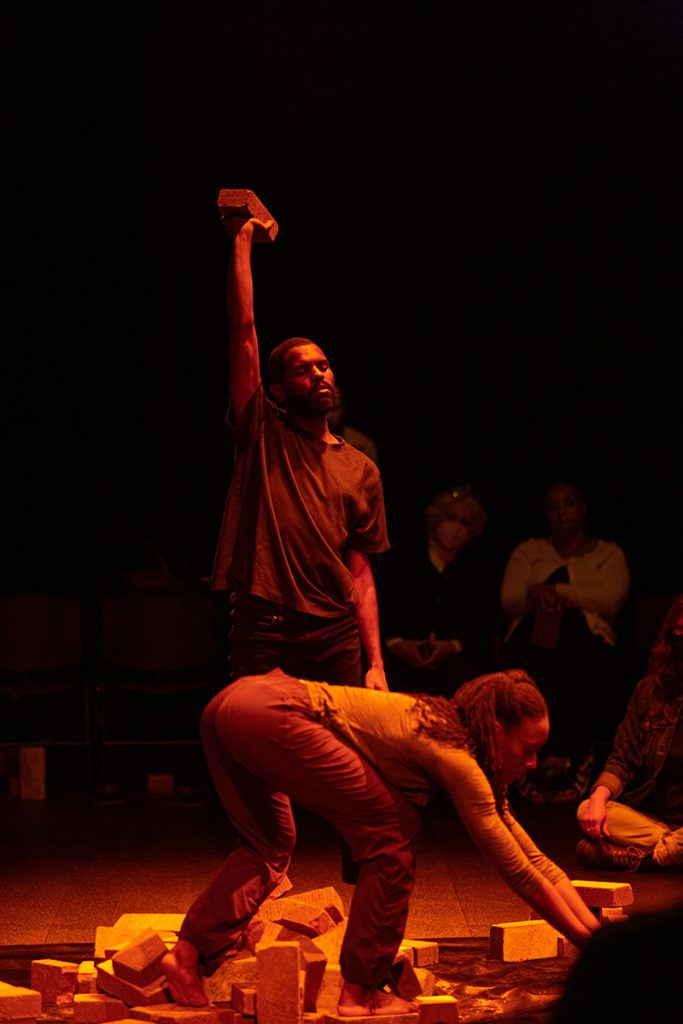
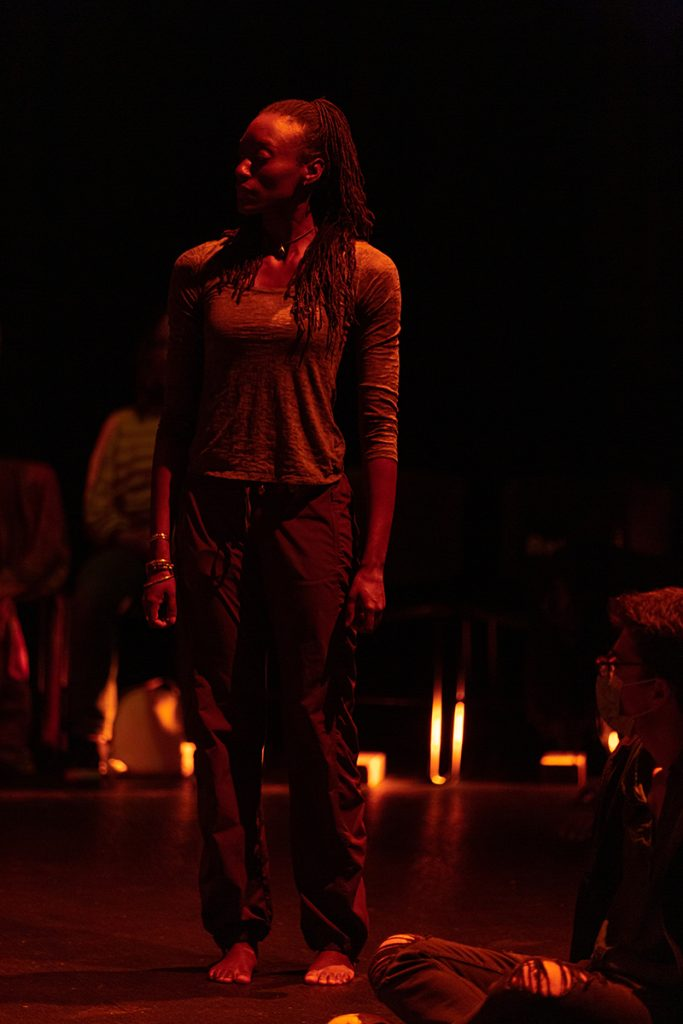
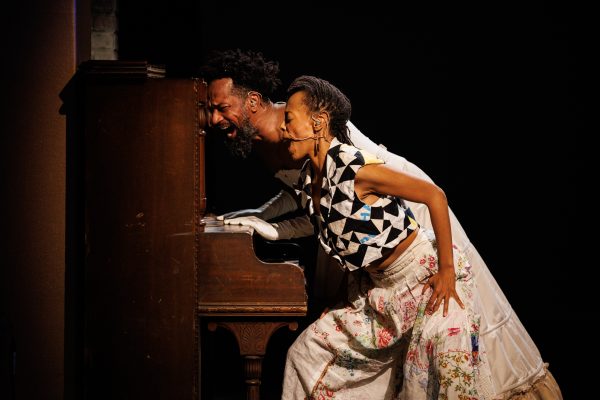
In February, another Southern Futures project comes to life on the Memorial Hall stage: Reconstructing, by theater collective the TEAM, who has been a resident artist at CPA since 2023. An examination of not just the historical era of Reconstruction but the idea that our relationships to history and each other might be reconstructed, the piece is the product of years spent “doing the very personal, very challenging work of exploring the notion of intimacy across Black and white-identifying people, and working together to create something and wrestling with what they discovered,” says Kolling.
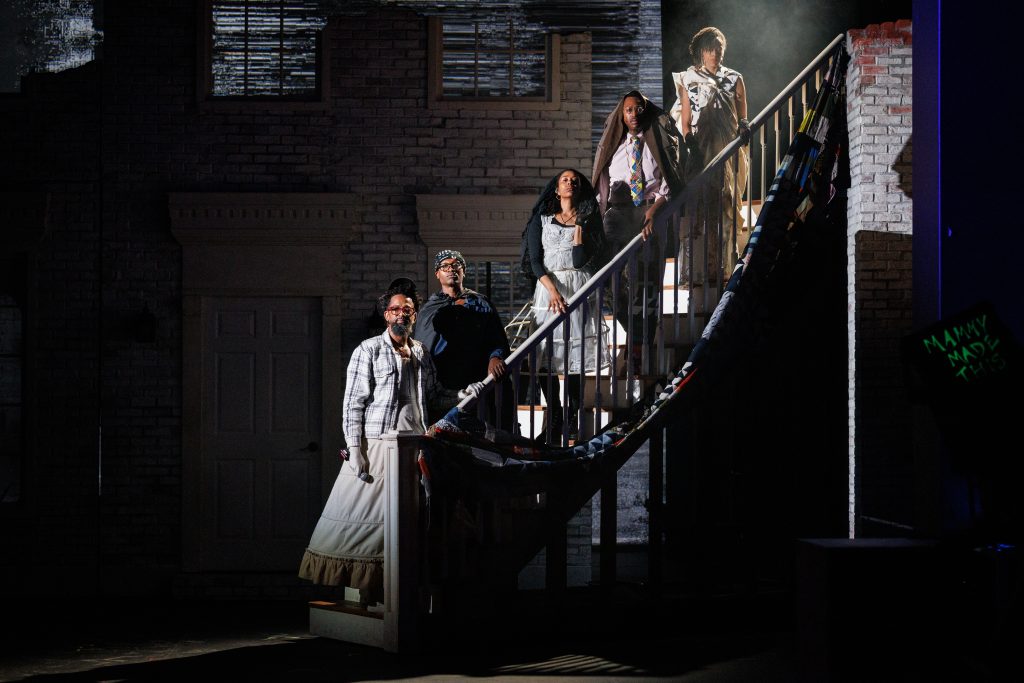
“They lived Southern Futures through their process.”
-Amy Kolling
Looking ahead, two artists with deep roots in Chapel Hill will continue the work of Southern Futures into the 26/27 season. Longtime CPA resident artist Toshi Reagon will premiere a new commission, Ecotones, made in collaboration with UNC faculty members and local artists and scholars. And in her role as CPA’s Wyndham Robertson Artist in Residence, tap dancer and choreographer Michelle Dorrance, who grew up in Chapel Hill, will continue her investigations into tap dance’s less often told origins in the American South—and in North Carolina in particular.