Conductors and Coaches: Five Takeaways on Leadership from Yannick Nézet-Séguin and Jenny Levy
by Lauren Wingenroth
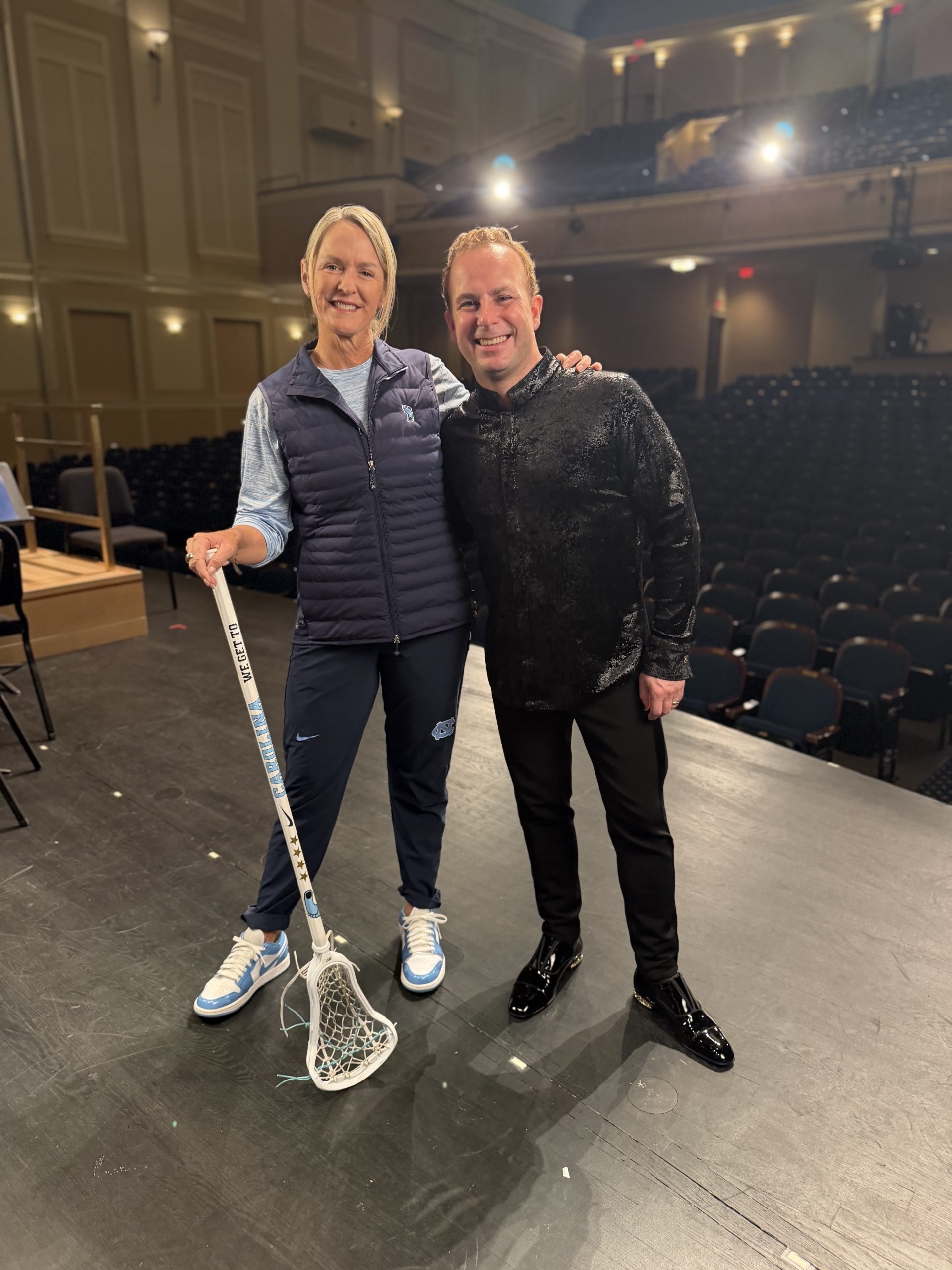
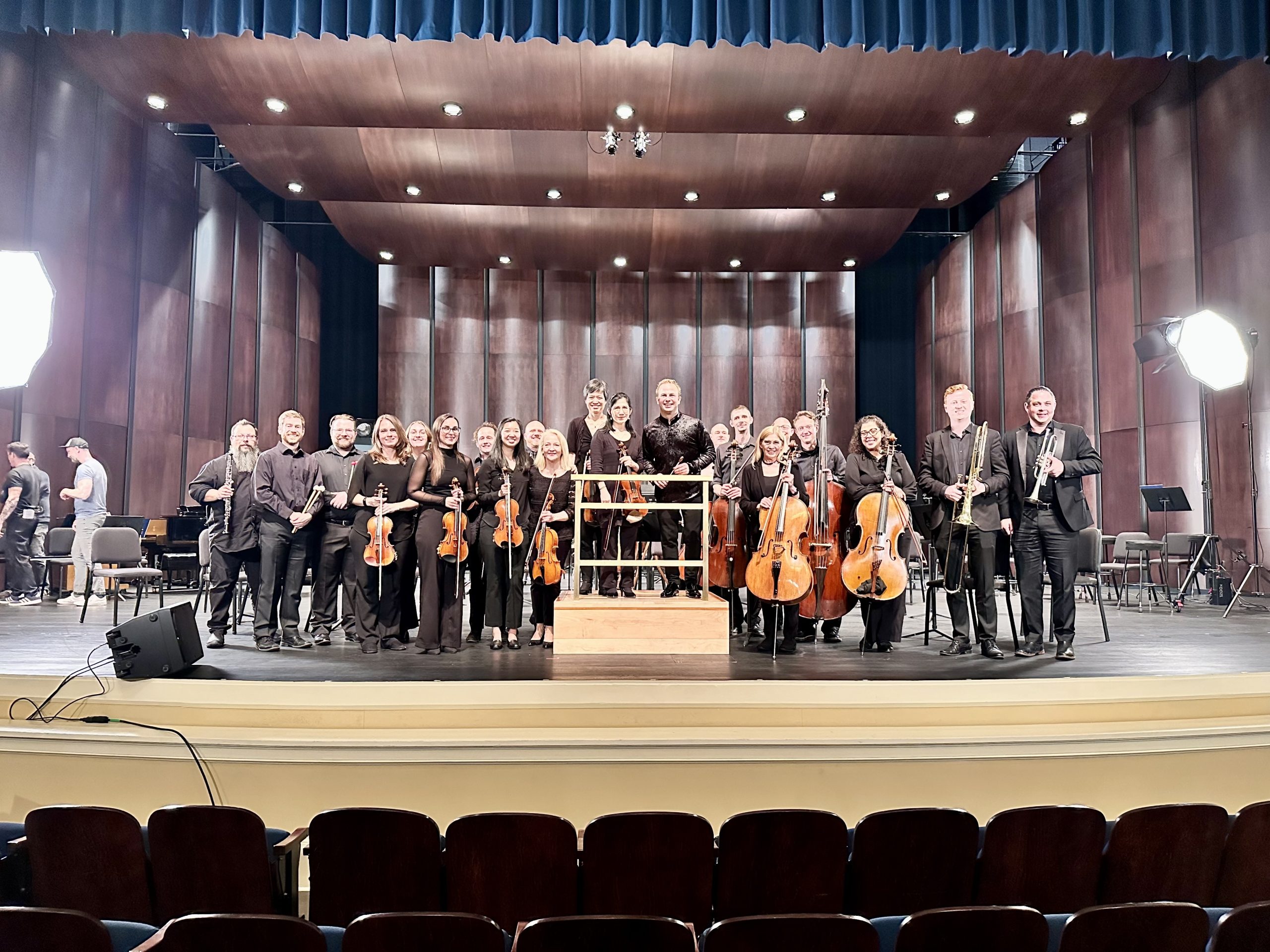
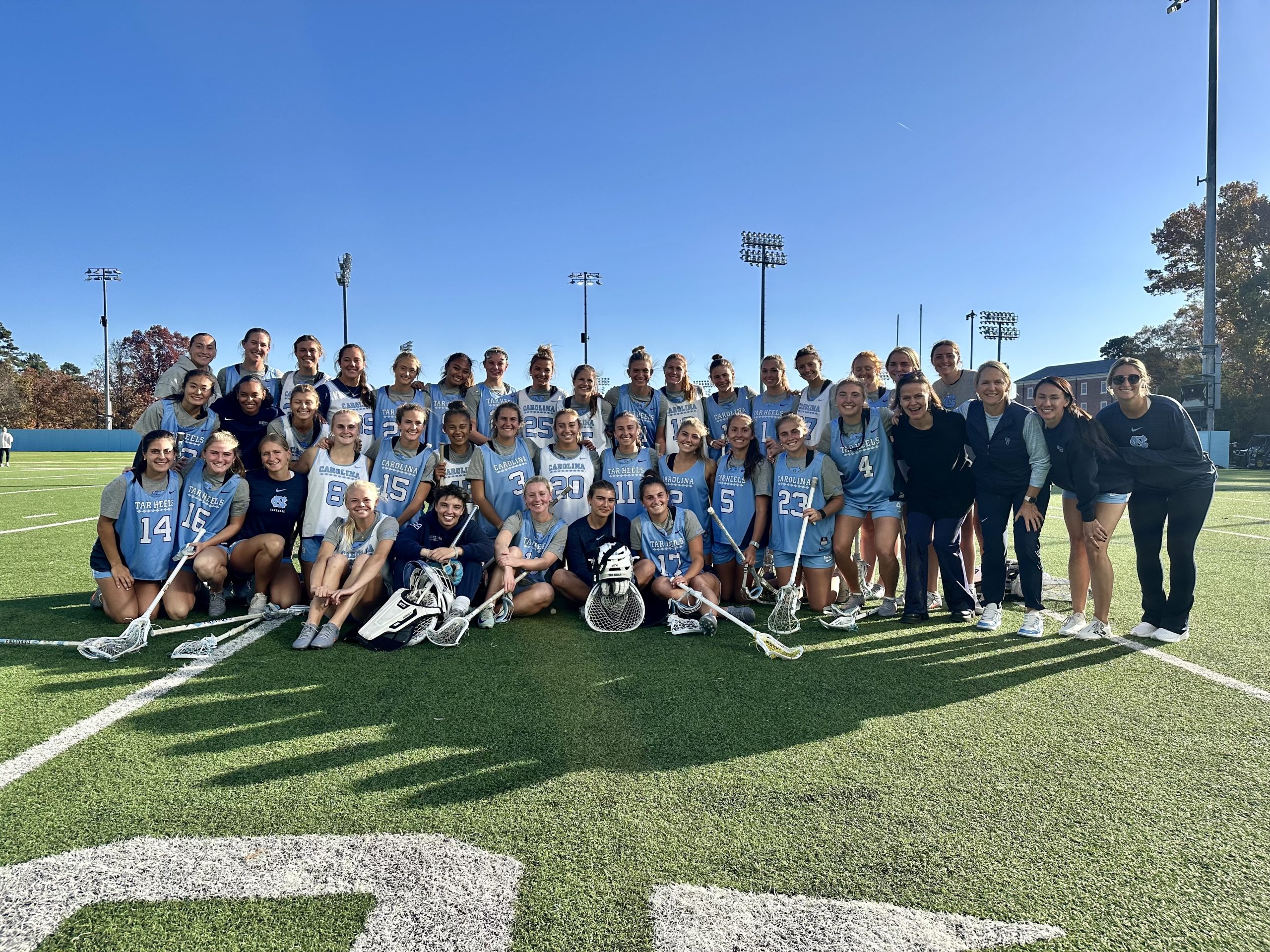
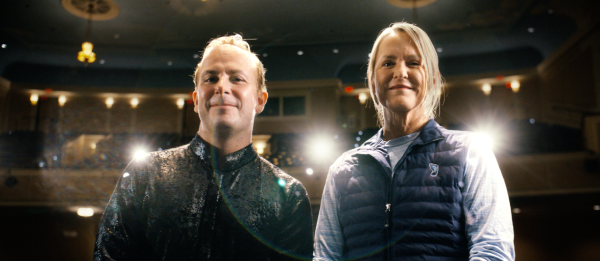
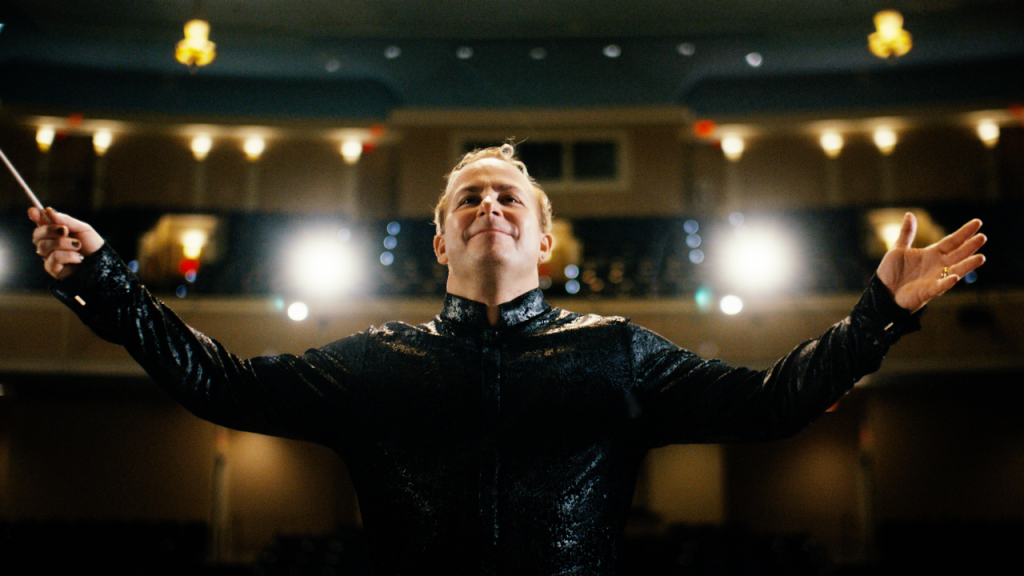
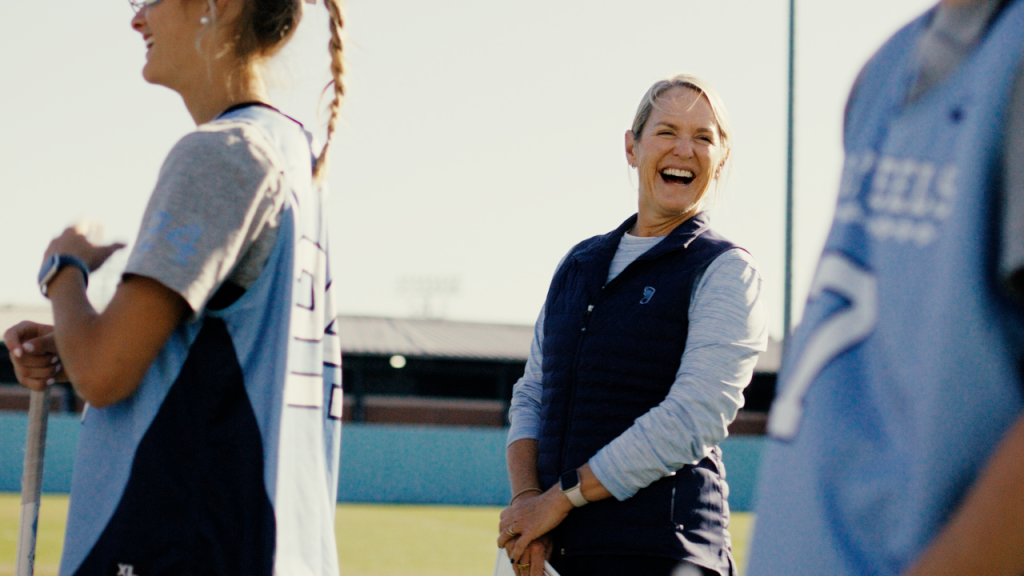
Spend a few minutes listening to Philadelphia Orchestra music director Yannick Nézet-Séguin and University of North Carolina women’s lacrosse coach Jenny Levy speak about their work, and you’ll start to notice just how often the same themes emerge. Both leaders, each at the very top of their field, wax poetic about teamwork, creativity, and conviction. It’s clear that they have much more in common than just their commitment to excellence.
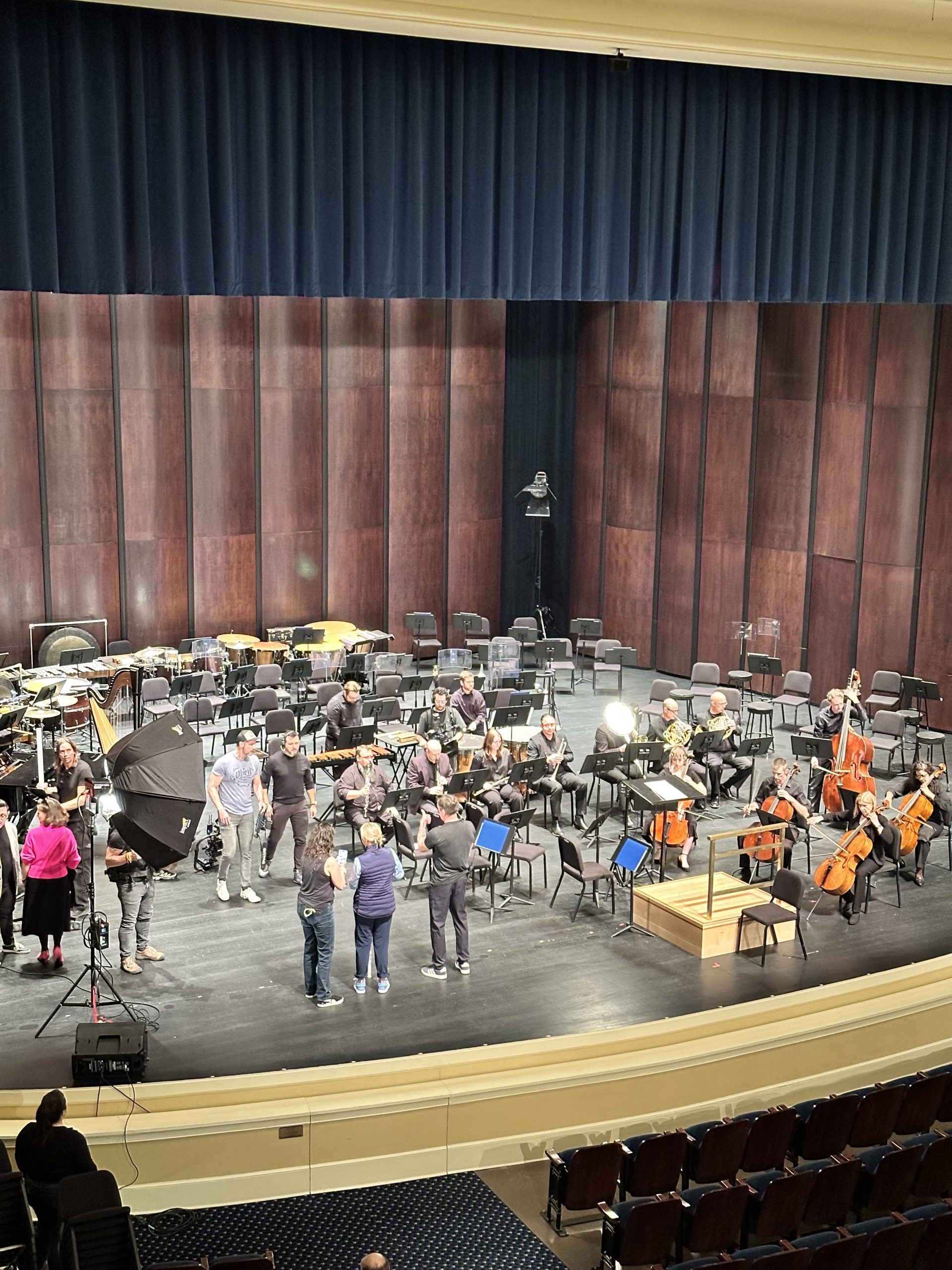
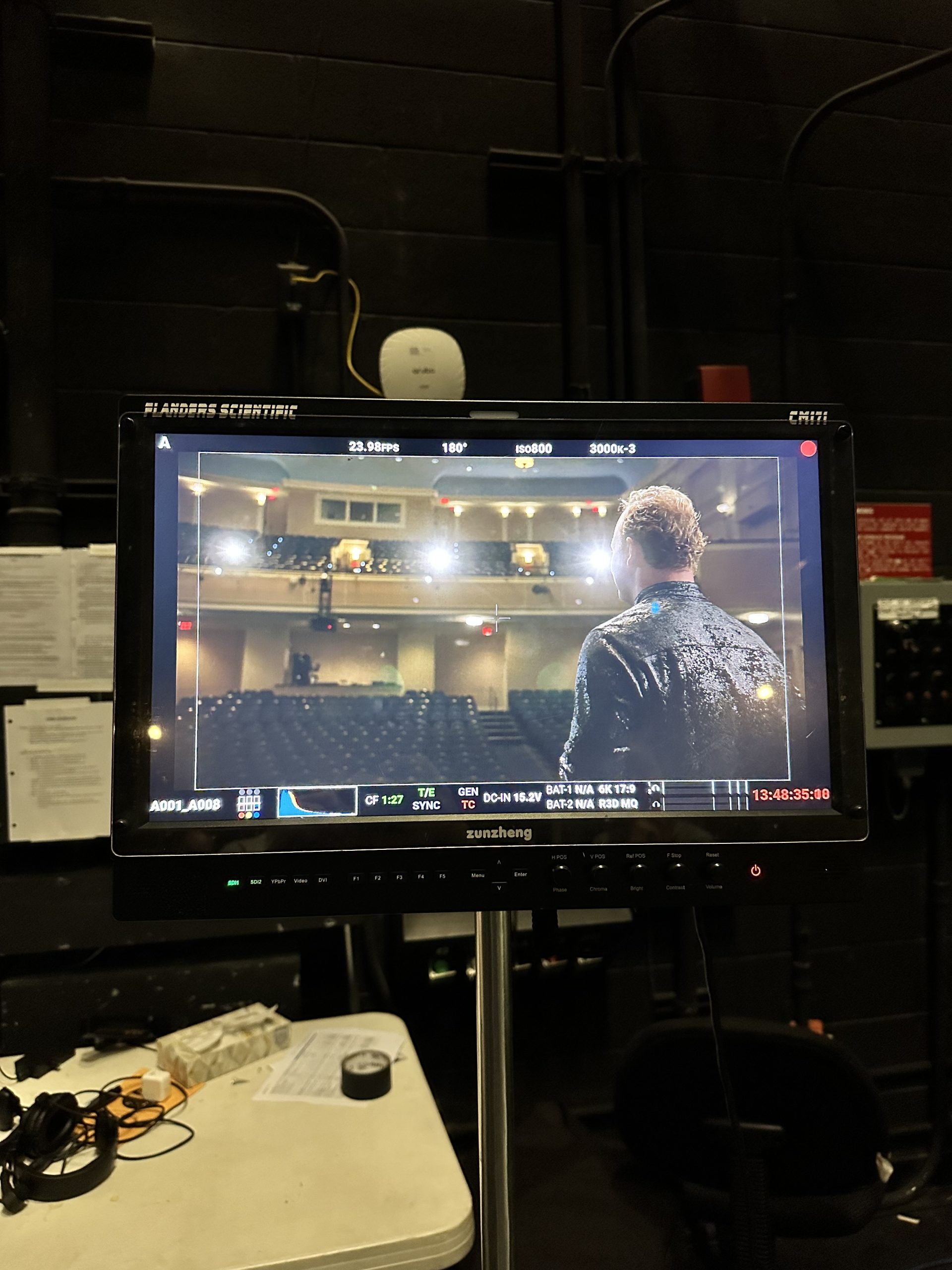
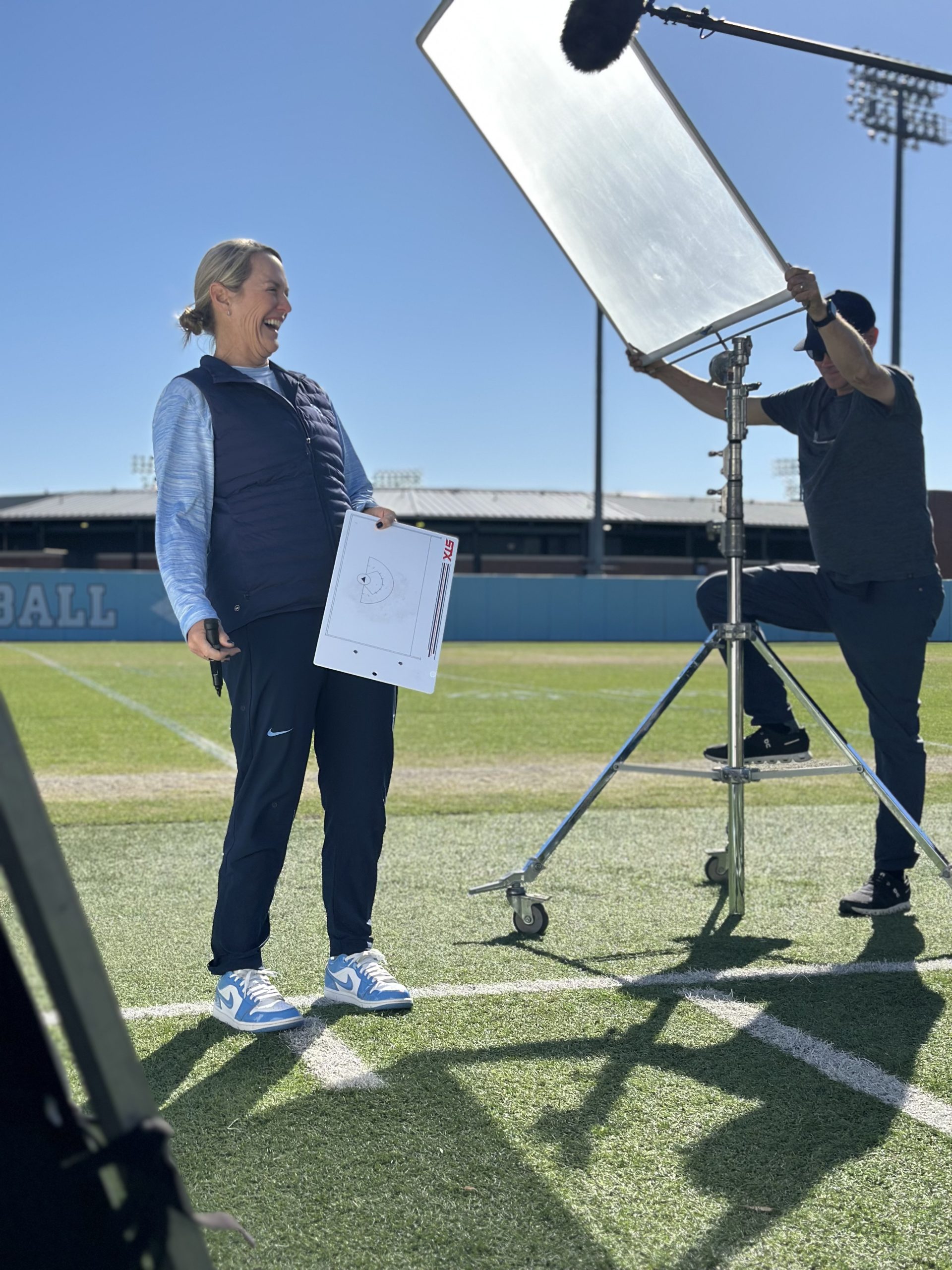
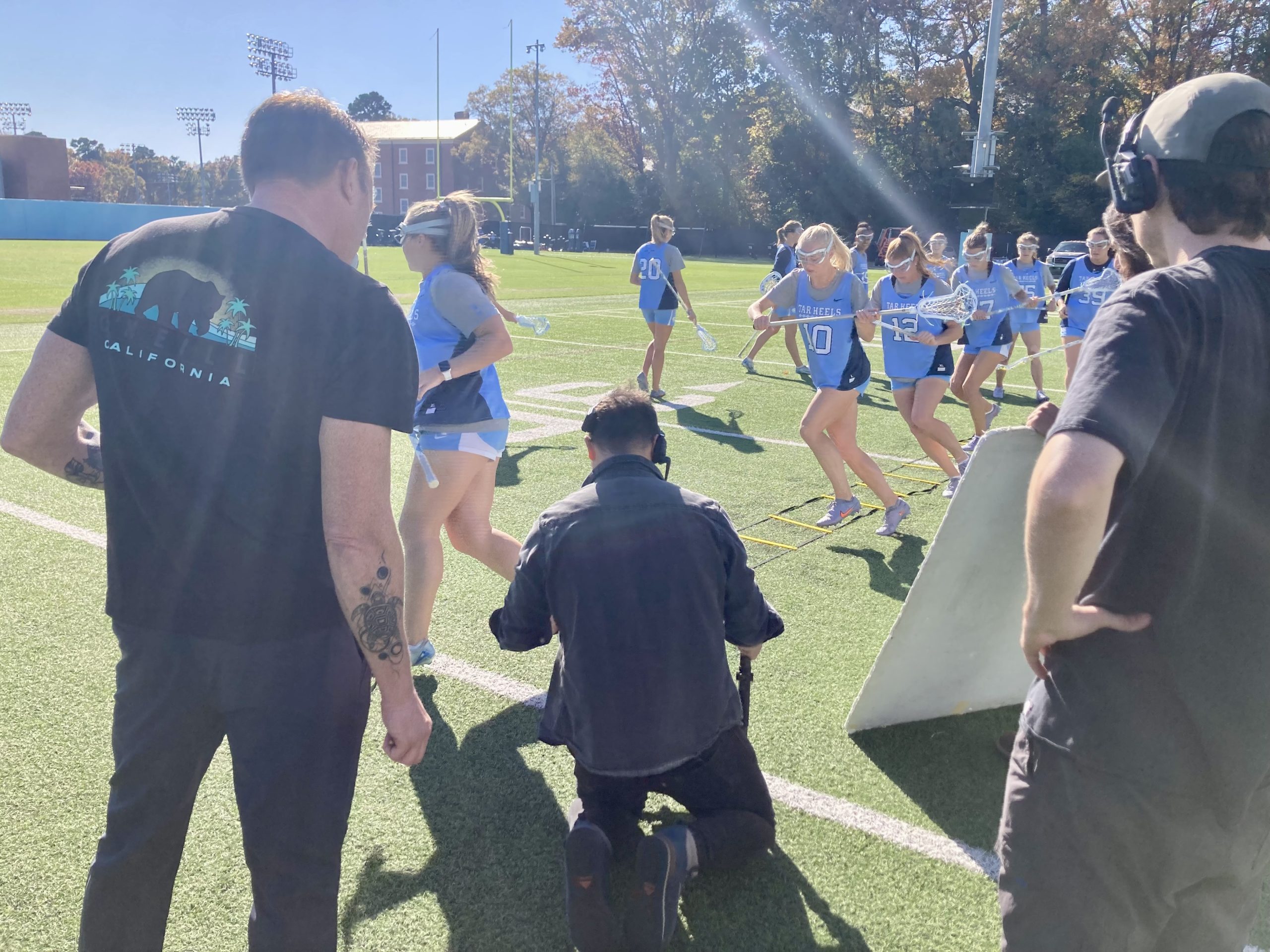
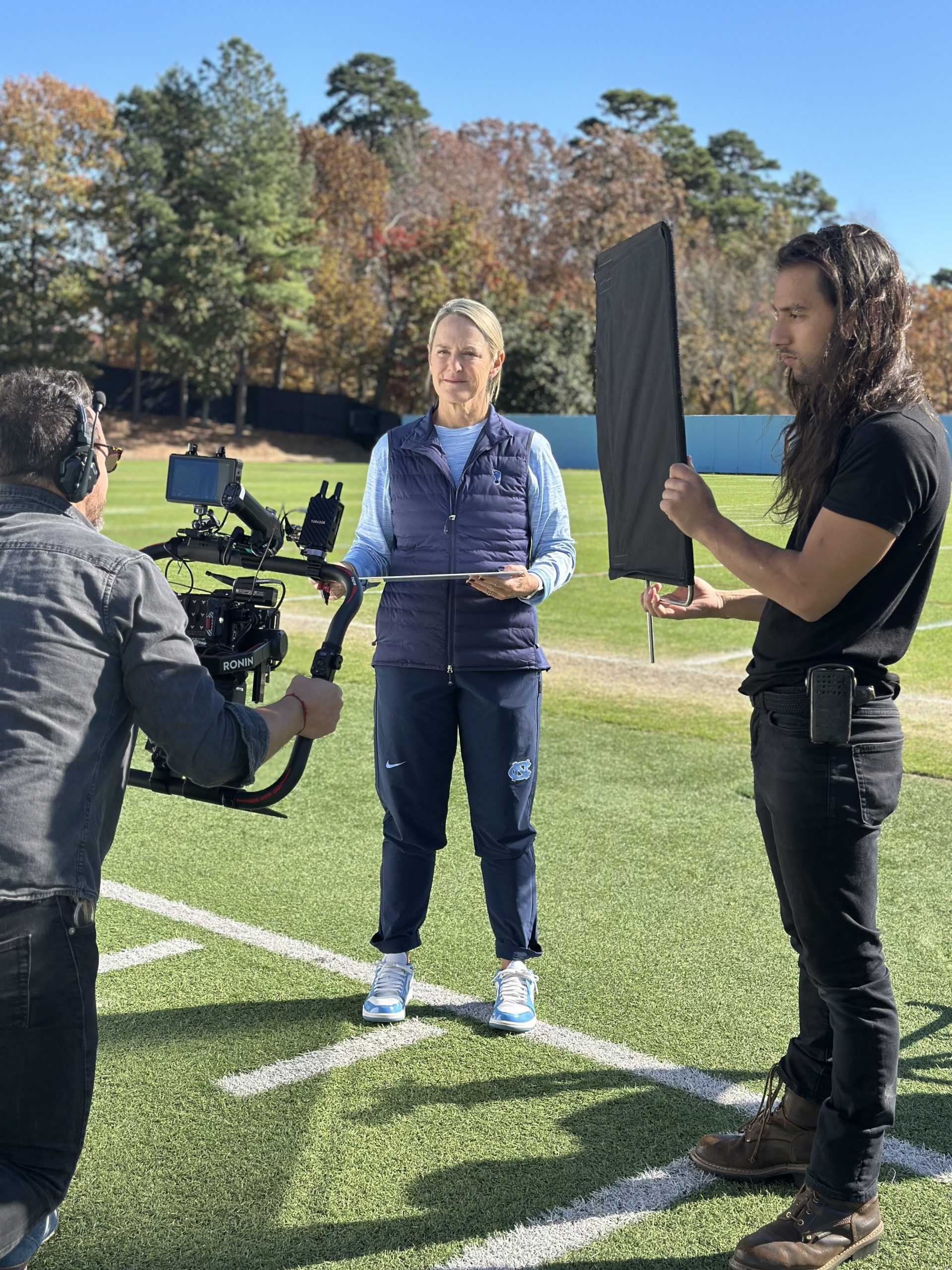
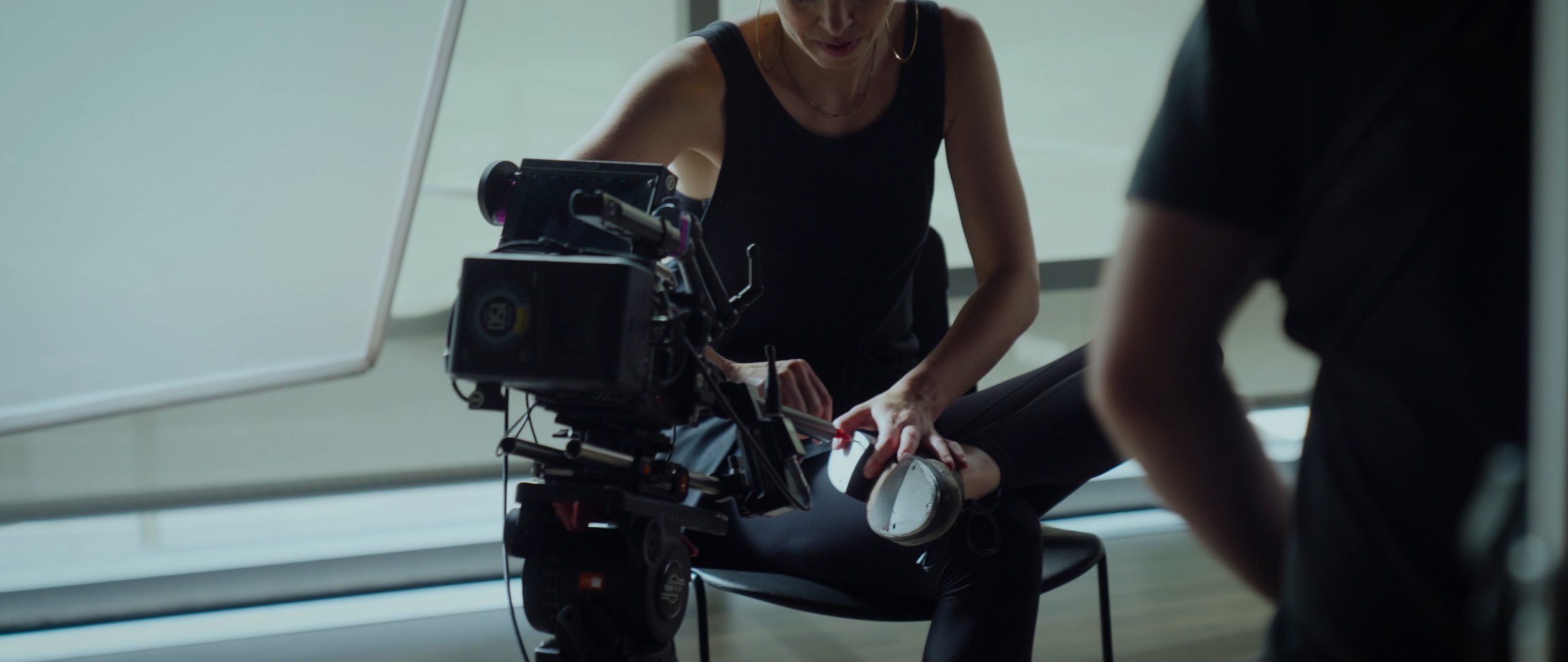
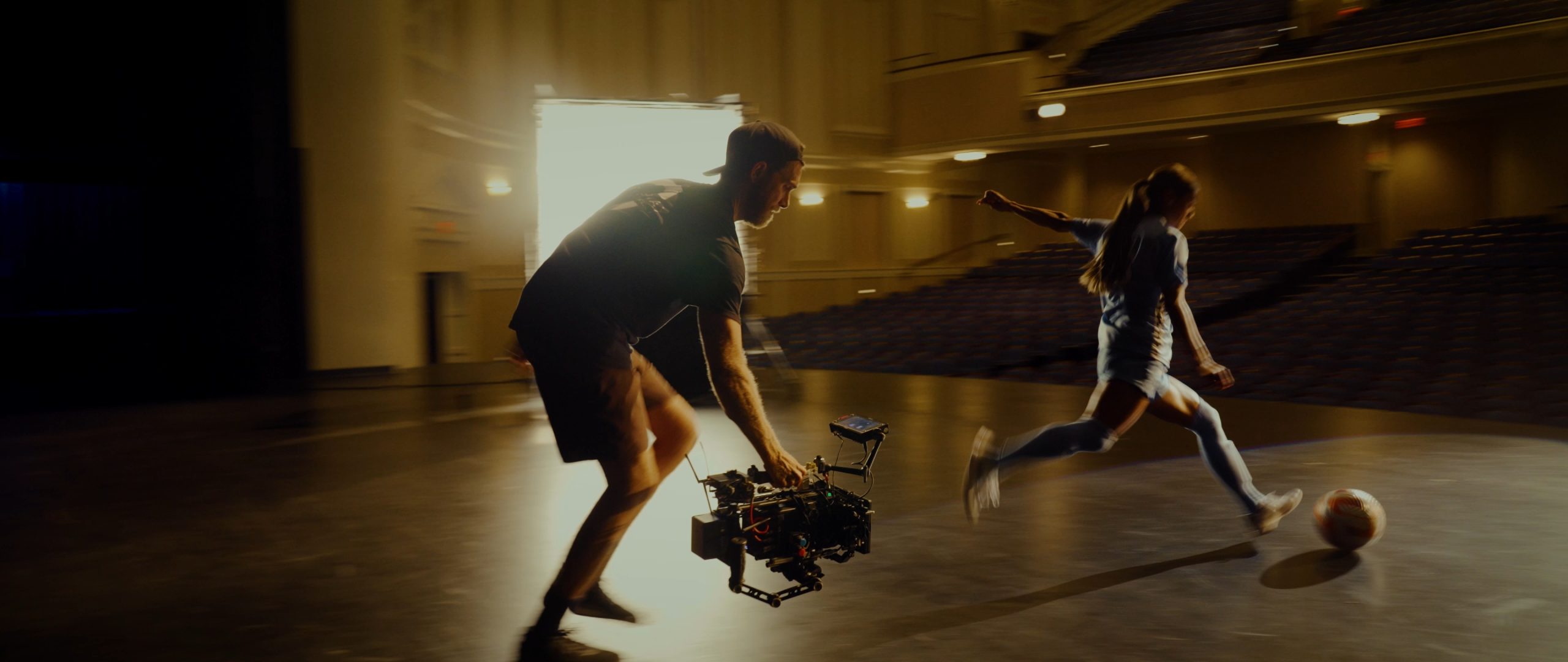
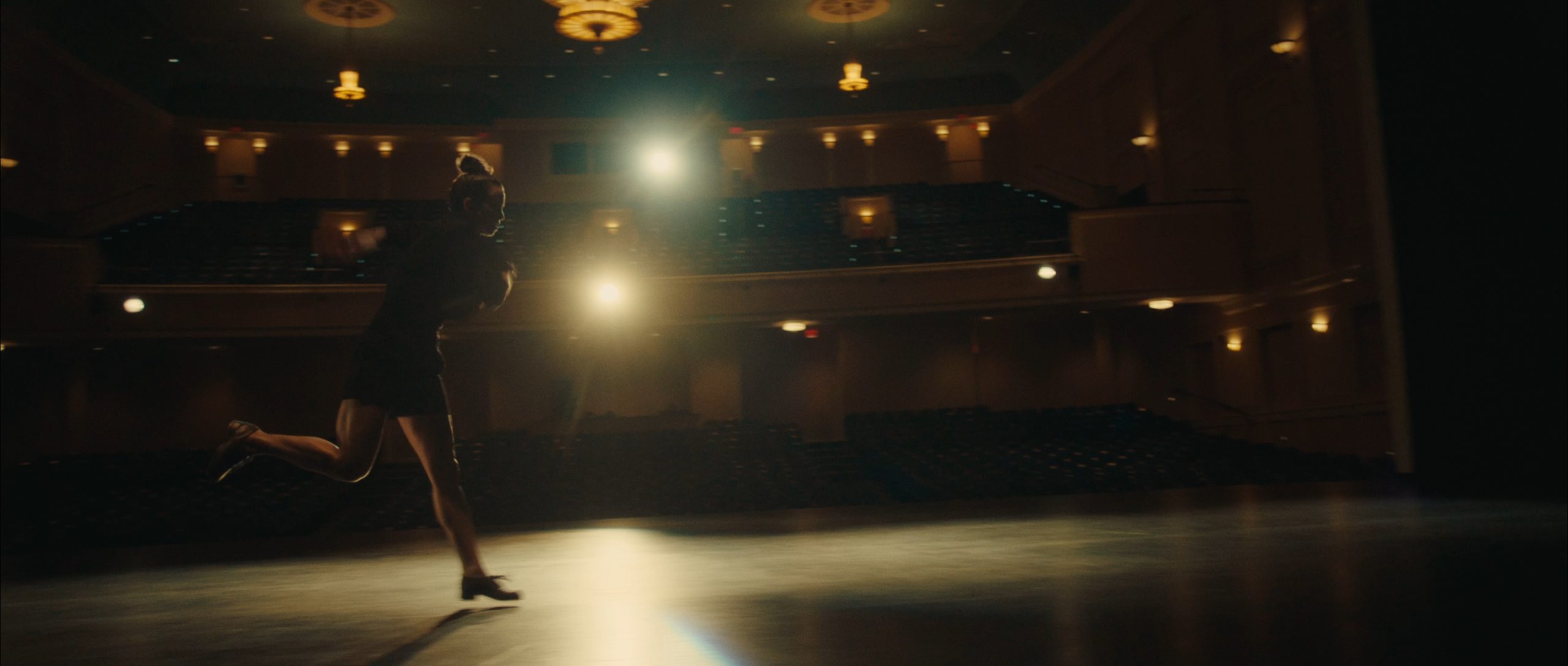
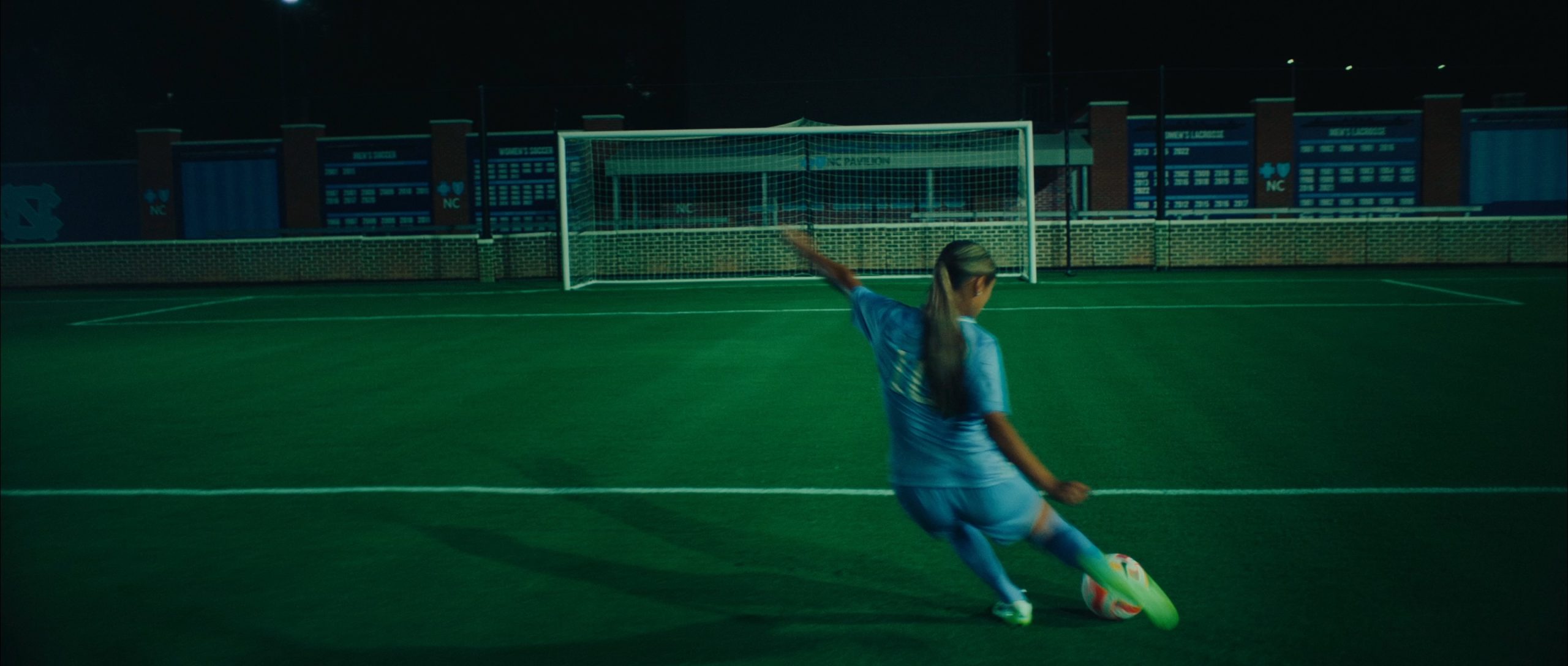
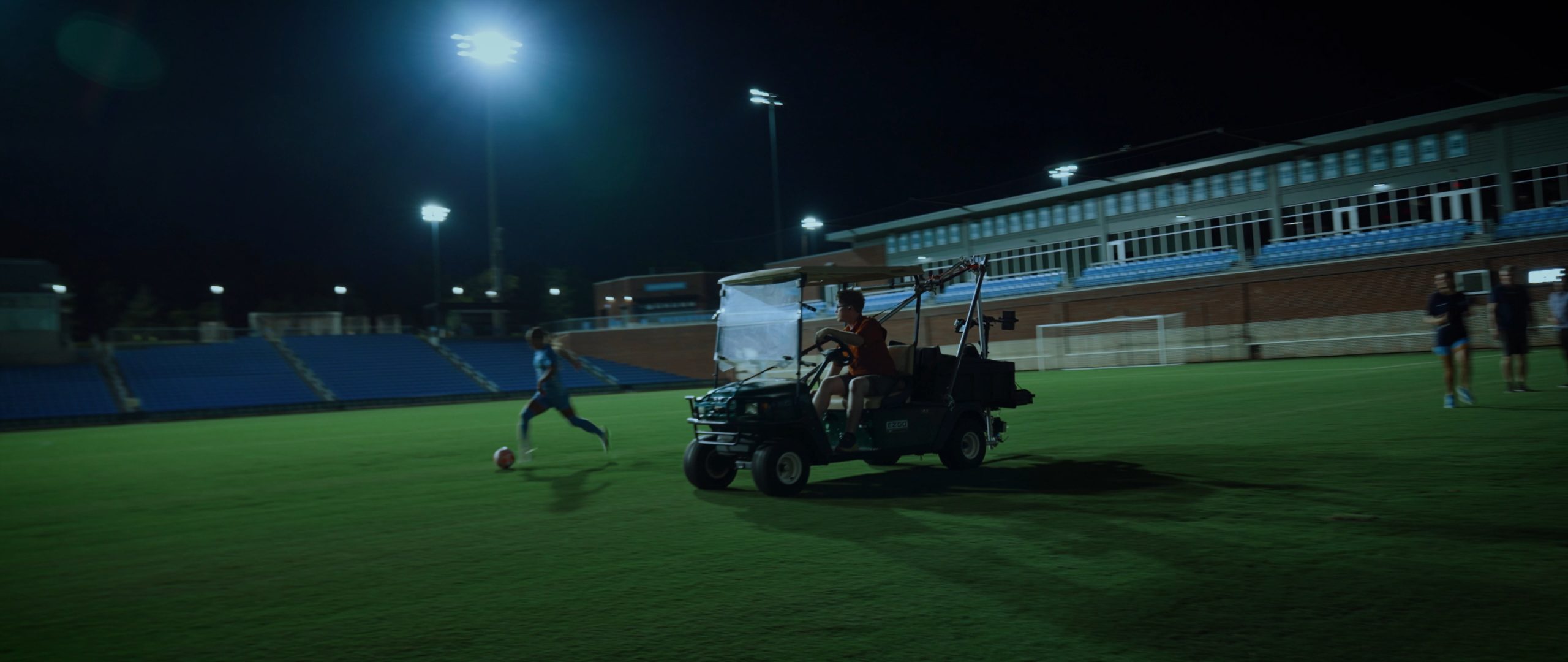
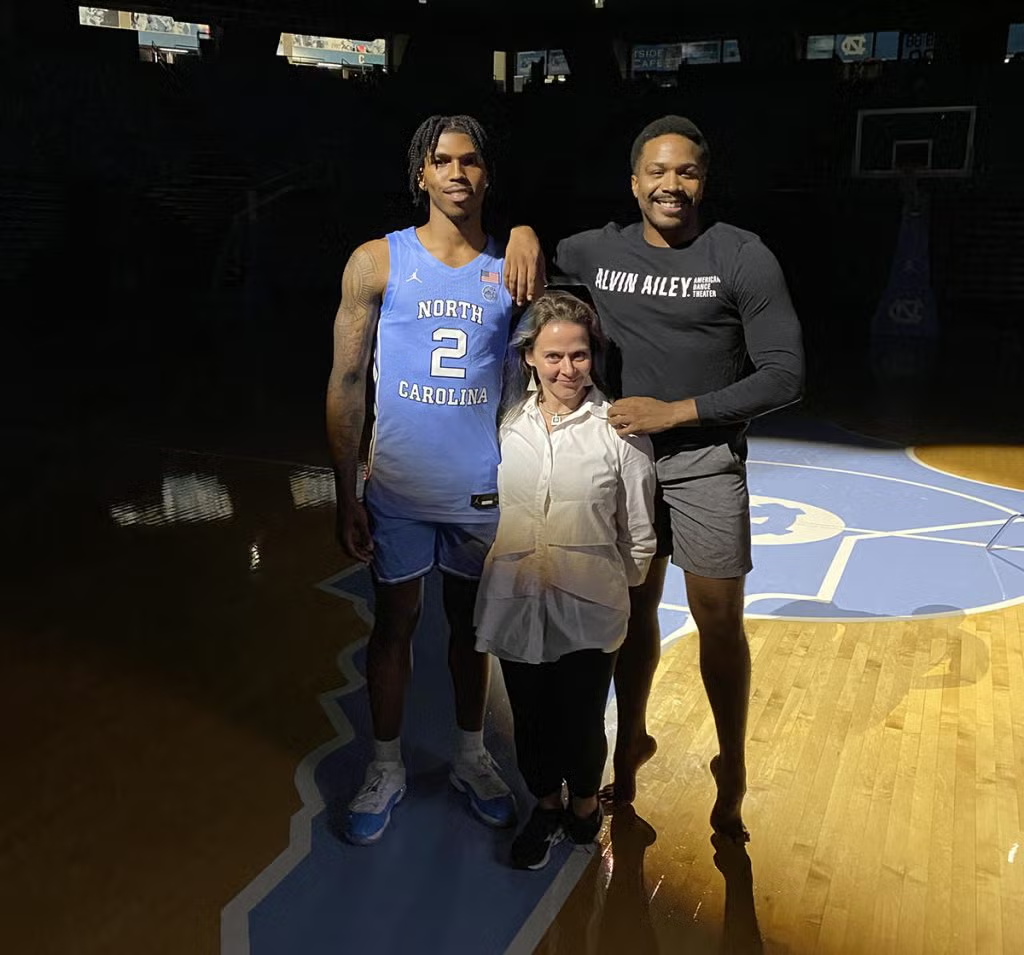
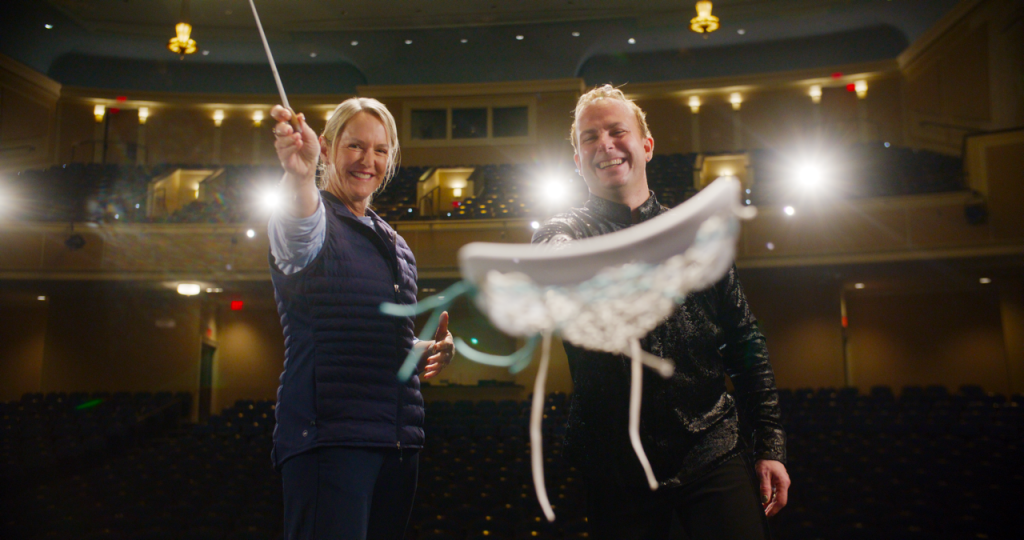
The many shared qualities that unite Nézet-Séguin and Levy—and conductors and coaches more generally—inspired Conductors and Coaches, the latest in Carolina Performing Arts’ Artists Are Athletes / Athletes Are Artists™ series. In previous videos, we saw how explosive power and dynamic jumps united a basketball player and an Alvin Ailey American Dance Theater performer, and how fast footwork and improvisation are shared between soccer and tap dance. While Nézet-Séguin and Levy may not be in the spotlight as much as the athletes and musicians they lead, the video strikingly highlights the parallels between them, from their visionary leadership to the way they inspire their teams to the discipline and focus they embody.
Nézet-Séguin, who is one of the most in-demand and exciting conductors in the world, and Levy, who built the women’s lacrosse program at UNC from the ground up to become one of the most successful programs in the country (they are currently the reigning NCAA champions), each spoke to CPA about their approach to leadership, the connections between the arts and athletics, and how they foster excellence.
On the parallels between coaching and conducting:
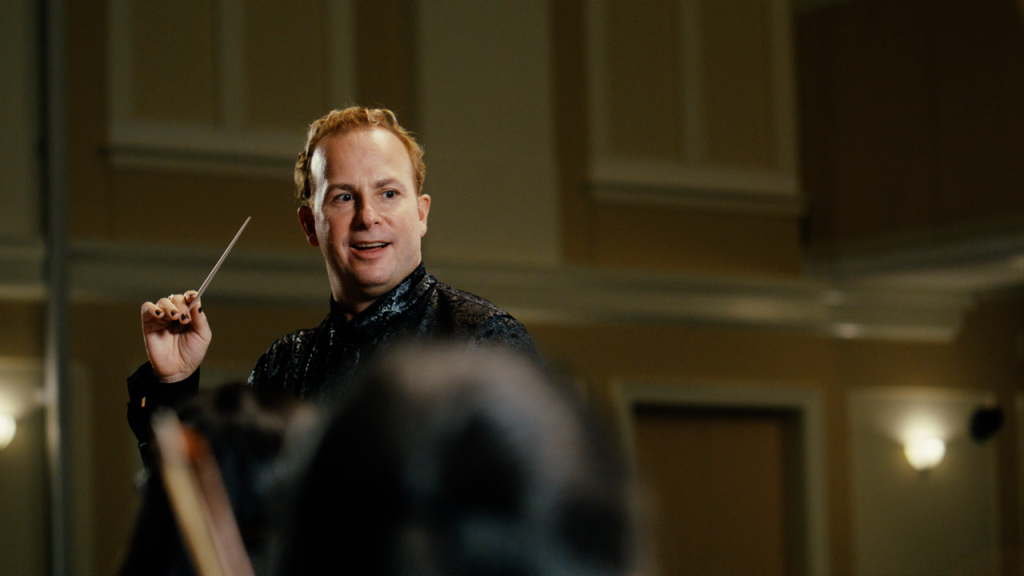
YNS: “A conductor doesn’t make sound, the orchestra does, so in that sense I’m very close to a coach. My role is to help people listen to one another and believe in a shared idea. When musicians feel ownership, the music starts to breathe differently. An orchestra is the ultimate team: everyone has a solo responsibility and a collective responsibility at the same time.”
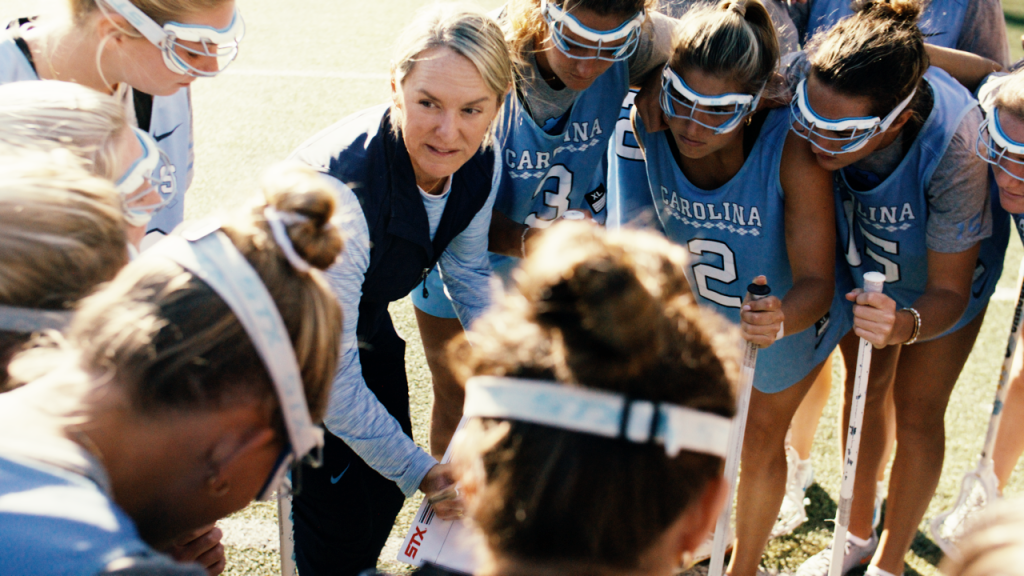
JL: “It’s such a no-brainer parallel to me. You’re trying to get a group of people on the same page to show up time and time again, day in and day out, with enthusiasm, passion, love, and performance. All of it is dependent on other people—it’s not an individual performance. So as the leader, you’re trying to get everyone to understand the same language.”
On the value of drawing connections between the arts and athletics:
JL: “I think excellence—regardless of the arena—is appreciated by excellence. Marrying the arts and athletics together, especially at the University of North Carolina, where both programs are premiere, is a really cool concept.”
YNS: “Both are really about human potential. We prepare, we doubt, we fail, we try again, and then suddenly everything aligns for a moment. Audiences see the performance, but the real story is the process. The amount of practice, repetition, and patience behind what audiences see on stage or on the field is almost unimaginable. Recognizing that shared dedication helps people understand both worlds more deeply, and it creates respect across disciplines.”
How Nézet-Séguin is inspired by sports:
YNS: “I am a sports fan, especially tennis—my cat Rafa (Nadal) can tell you all about it! I’m actively inspired by commitment. Great players don’t choose when to care; they care all the time. In music it’s the same: every detail and nuance matters. Sports, like the performing arts, teaches acceptance. Conditions change, nerves appear, things are imperfect, but the best performers adapt rather than fight reality. It’s about trusting in the work we’ve done.”
How Levy incorporates music:
JL: “We use music every day in practice. It’s part of who we are. It brings another element of fun, of curiosity, of inspiration, of motivation. We use music to connect us to a specific moment, or to bring about an emotion. The best teams have a universal feeling together in a moment, and that’s how we use music.”
On the preparation required for their roles:
JL: “Preparation is key. When we’re in our season, preparation looks different than when we’re in our off-season, when we’re trying to acquire new skills, which is also different from the summer, when players aren’t here and we’re doing a lot of reflection and evaluation. It’s cyclical. There’s a lot of room to pivot. If something’s not working, we just move on. For me, I don’t work out with the team anymore, and I’m not as fit as them, but I think fitness is mental and physical. I do a lot of yoga. I work out six days a week. I recently bought a sauna and red light therapy. I really prioritize sleep, especially in season. I want to feel good and sharp, so I limit distractions.”
YNS: “My preparation starts away from the podium. I study the score deeply almost every morning while also staying physically grounded and rested. Conducting requires stamina and efficiency, like a long-distance athlete: you need to release energy at the right moment, not all the time. I also train regularly in order to stay resilient, flexible, and loose in my body and mind.”
On how they foster excellence:
JL: “Athletes are always so serious and they want to be perfect. We try not to be perfect. We try to be excellent, and that’s where creativity comes in—when you ask them to be messy and fail. I put them in a lot of situations that don’t even involve having a lacrosse stick in their hand; that make them be playful and goofy and vulnerable. Those pieces are equally important.”
YNS: “I believe excellence comes from joy, kindness, and trust. When people are curious, feel safe, and share a common purpose, they naturally give their best. My goal is to create an environment where musicians want to give more than what’s written on the page, because they care about the music and each other. That’s when an ensemble shines and the music soars.”